Kabadiwala Online in Mumbai — Sell Your Scrap Without the Usual Hassle
One enquiry for paper, cardboard, metal, plastic, appliances & commercial scrap
Looking for a kabadiwala online in Mumbai to sell unwanted scrap from your home, office or business? ScrapKabadi gives you a convenient way to enquire about selling recyclable materials and old items without having to search for a separate buyer for every category.
From bundles of old newspapers and cardboard boxes to metal items, plastic waste, unused appliances and commercial scrap — the first step is to identify what you want to sell and share the relevant details. You can provide your location, approximate quantity and photographs where available to help clarify your requirement.
Selling scrap is not only about getting rid of unwanted material. It is also about understanding what you have, finding an appropriate buying option and confirming the terms before handing over your items. Different materials have different values, and the amount offered can depend on their quality, quantity, condition and current market demand.
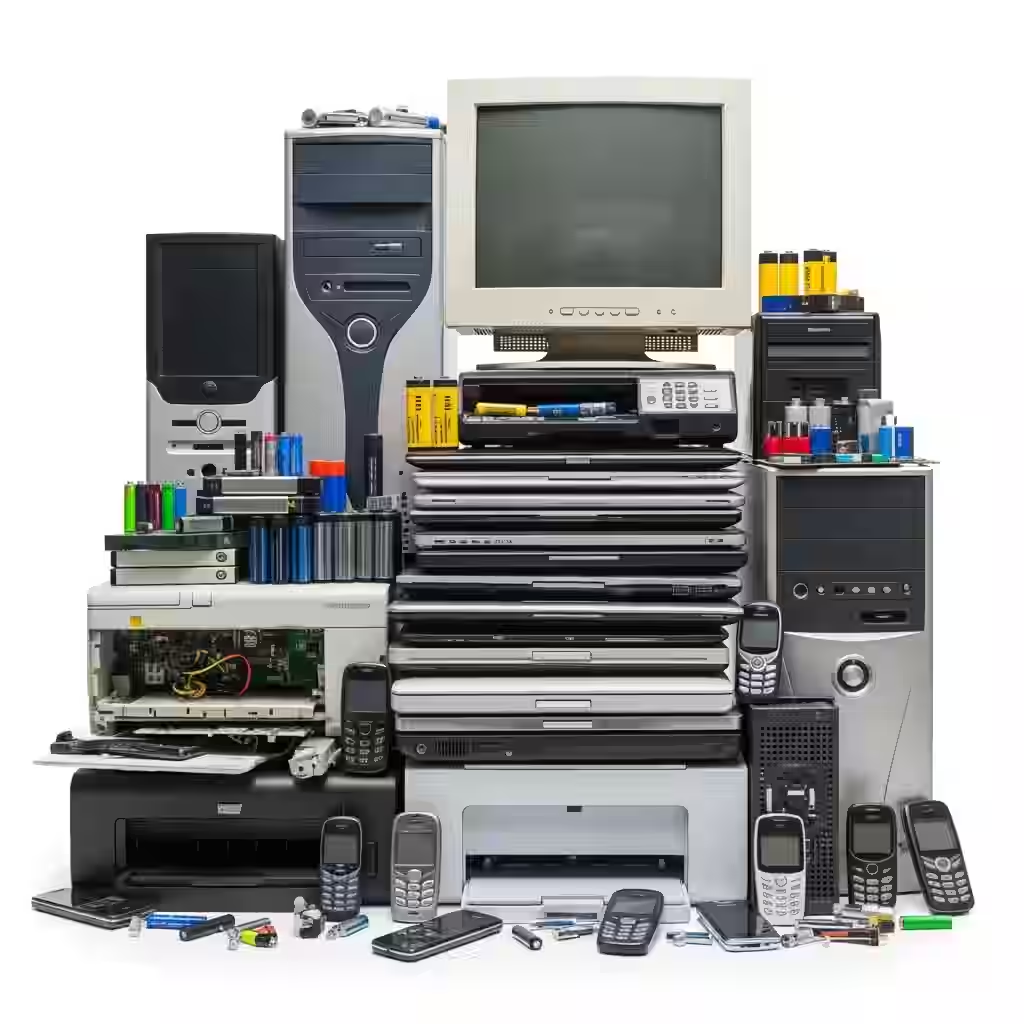
Table of Contents
Jump to any section on this page.
Sell Scrap Online in Mumbai for Different Requirements
Every household and business generates different types of scrap. Some people accumulate newspapers and packaging over several weeks, while others need to clear furniture, metal equipment or old appliances during renovation or relocation. A useful online kabadiwala service should make it easier to explain these different requirements. Instead of describing everything as “mixed scrap”, identify the major materials you have and mention their approximate quantity.
Household Scrap
Homes often accumulate old newspapers, magazines, cardboard cartons, plastic containers, metal utensils and unused household items. These materials can be sorted before an enquiry, making it easier to identify the categories you want to sell. If you are clearing a storeroom, balcony or kitchen cupboard, mention whether the material is already separated or still mixed together. Photographs can help communicate the quantity and condition when the exact weight is unknown.
Office Scrap
Offices regularly generate paper waste, packaging, outdated equipment and materials left over from workspace changes. If you are clearing an office, provide a brief list of the items, the approximate quantity and the building location. For larger office clearances, explain whether the scrap is stored in one area or spread across several floors. Access restrictions, loading arrangements and collection timing should be discussed before confirming the service.
Shop and Commercial Scrap
Retail stores, warehouses, workshops and other commercial premises may accumulate cardboard, metal, plastic, packaging and equipment that is no longer required. Commercial scrap enquiries are easier to assess when materials are described separately. If you have several categories, provide an approximate quantity for each rather than one combined estimate.
Industrial Scrap
Industrial requirements may involve metal offcuts, machinery components, electrical equipment and other recoverable materials. The composition of the material, its condition, quantity and site access can affect the assessment. For industrial scrap, share available specifications and photographs. Confirm the accepted materials, collection arrangements, payment terms and any documentation required before proceeding. See industrial scrap buyer.
Which Types of Scrap Can You Sell Through an Online Enquiry
ScrapKabadi can receive enquiries about a range of recyclable materials and old items. The exact categories accepted and collection options should be confirmed before arranging a sale.
Newspaper and Paper Scrap
Old newspapers are among the most common household scrap materials. Magazines, notebooks, office paper and other paper products may also be suitable for assessment. Keep paper reasonably dry and separate it from food waste, wet packaging and other contaminants. Different paper grades can receive different assessments, so avoid assuming that newspapers, office paper and mixed paper have identical rates. For a newspaper scrap enquiry, provide an approximate quantity — a few bundles, several bags or a larger collection. If you know the weight, include it. See newspaper scrap buyer.
Cardboard and Packaging Waste
Cardboard boxes often accumulate after online deliveries, appliance purchases, grocery stocking and business shipments. Larger quantities may arise when shops, warehouses or offices clear their storage areas. Flattening empty boxes can make the quantity easier to understand and reduce the space they occupy. Keep cardboard separate from plastic wrapping, food residue and wet material where practical. If you have a large quantity of cartons, mention whether they are flattened, bundled or still assembled.
Iron and Steel Scrap
Iron and steel scrap may include metal racks, pipes, rods, frames, old tools, sheets and other discarded metal items. The material type, thickness, weight, cleanliness and condition can affect the assessment. Heavy equipment and large metal structures may also require special handling or dismantling. When making an enquiry, describe the items and provide photographs where possible. Do not assume that all metal objects will receive the same price per kilogram. See iron scrap buyer.
Copper Scrap
Copper may be present in electrical wires, pipes, fittings, motors and other components. Different forms of copper scrap can have different values. For example, insulated copper wire is not the same as clean separated copper. Insulation, mixed materials and contamination can influence the assessment. Describe the material accurately and do not burn wires or use unsafe methods to remove insulation. If the copper is part of electrical equipment, explain whether it has already been separated or remains inside the equipment.
Aluminium, Brass and Other Metals
Aluminium scrap can include window frames, sections, utensils, components and other discarded products. Its form, alloy, cleanliness and condition can influence the value. Brass fittings, valves, components and certain household or industrial items may contain brass or other metals. Material identification matters because similar-looking objects can contain different alloys. If you are uncertain about the composition, provide a photograph and describe the item’s original use instead of guessing.
Plastic Scrap
Plastic scrap may include packaging, containers, crates and certain discarded products. The type of plastic, cleanliness, form and contamination can affect whether it is accepted and how it is assessed. Keep different plastic materials separated where practical. Do not assume that every plastic product has the same scrap value or that all categories are accepted by every buyer.
Electronic Scrap and Old Electrical Items
Outdated electronic and electrical equipment can contain a mixture of plastics, metals, circuit boards and other components. Examples include certain computer parts, cables, small electrical devices and obsolete office equipment. Electronic scrap should be assessed according to the type of equipment and its condition. Some items may require specialist handling or an appropriate recycling route. Before selling equipment that contains personal or business information, remove or securely erase the data where applicable. Do not dismantle electrical equipment unless you have the appropriate knowledge and equipment. See e-waste scrap buyers.
Old Appliances and Air Conditioners
If you have an old washing machine, refrigerator, air conditioner or other unwanted appliance, provide its type, brand, condition and location. A working appliance may have resale potential, while a damaged unit may be more relevant for parts recovery or scrap. Air conditioners and refrigeration equipment require particular care because they can contain refrigerants and electrical components. Do not cut refrigerant lines or dismantle these systems yourself. Confirm whether collection and professional removal are available for your item. See sell old AC.
How Does an Online Kabadiwala Work
Searching for a kabadiwala online in Mumbai is often the first step toward finding a buyer, but the process should be clear before you agree to sell.
Describe Your Scrap
Make a list of the main materials you want to sell. For example, you might have newspapers, cardboard, iron items and an old appliance.
Estimate the Quantity
An exact weight is helpful but not always necessary for the initial enquiry. You can provide an approximate weight, number of bundles, number of items or photographs showing the collection.
Share Your Location
Provide your Mumbai locality or pickup address as requested. Collection availability may vary depending on the area, type of material and quantity.
Discuss the Applicable Rate
Ask how the material will be categorised and priced. If the buyer quotes a rate per kilogram, confirm which material grade the rate applies to and how the final weight will be measured.
Confirm Collection Details
Discuss the collection date, access requirements, minimum quantity if applicable, and any charges before confirming the arrangement.
Complete the Transaction
Before handing over the scrap, confirm the final weight, applicable rate, deductions if any, and payment method. Keep a record of the agreed terms for larger transactions.
This process helps you make an informed decision instead of relying on an unverified price or an unclear collection promise.
Why Use an Online Kabadiwala Instead of Searching Randomly
Finding a scrap buyer can be time-consuming when you have several types of materials or are unsure whom to contact. An online enquiry gives you a way to describe your requirement before making arrangements.
One Enquiry for Multiple Categories
If you have paper, cardboard, metal and old appliances, list each category in your enquiry. The buyer can clarify which materials can be considered and whether they require separate handling.
Better Preparation Before Collection
Knowing the approximate quantity and material type helps you explain the job more clearly. It can also help establish whether a collection request is practical for the particular buyer.
Clearer Price Discussions
When you know what you are selling, you can ask relevant questions about material grade, weighing, applicable rates and collection charges.
Useful for Homes and Businesses
A household collection may involve a few bags of scrap, while a commercial clearance could involve several categories and a much larger quantity. Explaining the scale of the requirement helps determine the appropriate next steps.
However, online enquiries do not automatically guarantee the highest price, instant pickup or service availability in every Mumbai neighbourhood. Confirm the actual terms before proceeding.
How to Get a Better Assessment for Your Scrap
The value of scrap depends on what it contains and how it is presented. A few simple preparation steps can make your enquiry clearer.
Separate Materials Where Practical
Keep paper, cardboard, iron, aluminium and identifiable copper items apart when possible. Mixed scrap can be harder to categorise accurately.
Keep Paper and Cardboard Dry
Wet or contaminated paper can be assessed differently from clean, dry material. Store paper scrap in a dry location until collection.
Describe Metal Correctly
If you know whether an item is iron, steel, aluminium, copper or brass, include that information. If you are uncertain, provide a photograph and allow the material to be identified.
Mention Damaged Items
Do not describe an appliance as working if it has a known fault. Accurate condition details help establish whether the item should be assessed for reuse, parts or scrap.
Estimate the Quantity Honestly
A rough estimate is useful for an initial conversation, but the final value should follow the agreed weighing and pricing method.
Ask About Deductions and Charges
Before confirming the transaction, ask whether collection, dismantling, loading or other services involve additional costs. This is particularly important for bulky appliances and commercial scrap.
Kabadiwala Near Me in Mumbai — Local Collection Enquiries
Mumbai has a wide range of residential neighbourhoods, apartment buildings, offices, shops, warehouses and commercial properties. Scrap requirements can differ significantly between these settings. Someone clearing a flat may have newspapers, cartons and a broken appliance. A shop may have packaging waste and metal fixtures. An office may need to dispose of old paper, equipment and furniture, while an industrial site may have heavier materials requiring specific handling.
When searching for a “kabadiwala near me in Mumbai”, provide the exact locality rather than relying only on the city name. The location can help establish whether the service is available and what collection arrangements may be required. For apartment buildings, mention any restrictions on vehicle access, loading areas or collection timings. For commercial premises, explain whether the material is ready for collection and whether permission is needed to move it from the property.
ScrapKabadi can review your enquiry and discuss the next steps, subject to the materials accepted and the service available at your location. See scrap rates today in Mumbai.
Sell Household Scrap Without Letting It Accumulate
Small amounts of scrap can quickly occupy useful space when they are not sorted or removed regularly. Old newspapers pile up, cardboard boxes fill storage cupboards, and unused household items remain in balconies or storerooms. If you have several categories of recyclable material, make a short inventory before requesting a quote. This helps you understand what you are selling and prevents confusion when discussing the applicable rates.
You can also separate items that may be reusable from materials intended primarily for recycling. A working appliance or reusable household item should not automatically be treated as scrap without considering whether resale or reuse is a better option. For larger household clearances, explain whether the requirement includes only loose scrap or also bulky items that need to be moved from the property.
Common Household Categories
- Newspapers and magazines
- Cardboard cartons and packaging
- Metal utensils and old iron items
- Plastic containers and crates
- Old appliances and electronics
Before You Enquire
- Sort major categories where practical
- Keep paper and cardboard dry
- Note approximate quantities
- Take a few clear photographs
- Mention any bulky or installed items
Online Kabadiwala for Offices, Shops and Commercial Properties
Commercial scrap requirements often involve more planning than a routine household collection. An office may have old files, paper, cardboard, electrical equipment and discarded furniture. A shop may accumulate packaging, metal fixtures and display materials. A warehouse may have cartons, pallets and other recoverable materials.
For commercial enquiries, prepare a basic inventory that includes the material category, approximate quantity and location. If the items are stored in several rooms or floors, explain the access requirements. Businesses should also consider data security before disposing of old computers, storage devices, printed documents or office equipment. Confidential information should be handled appropriately before the items leave the premises.
For recurring or large-volume requirements, ask about the process for obtaining a written quote, confirming weights, documenting the transaction and arranging collection. The availability of such arrangements should be verified directly. See office scrap buyers and waste management for malls.
Commercial and Industrial Scrap — What to Mention
Larger scrap lots may contain several material grades, bulky components and equipment that cannot be assessed accurately from a single photograph.
Facility Type
The type of business or facility generating the scrap.
Main Categories
The main categories of scrap present in the lot.
Quantity per Category
The approximate weight or quantity of each category.
Photographs
Clear images of the materials in the lot.
State of Material
Whether the scrap is loose, bundled, dismantled or still installed.
Location & Access
The site location and access arrangements.
For machinery, electrical systems or heavy metal structures, explain whether dismantling is required. Do not assume that a general scrap collection service includes specialist demolition or equipment removal. The final assessment should distinguish between the different materials and confirm the applicable pricing and collection terms.
Understand Scrap Rates Before Selling
People searching for scrap prices online often want a straightforward answer: how much will they receive for the material they have?
The difficulty is that scrap does not have one universal rate. Iron, copper, aluminium, brass, paper, cardboard and plastic are different categories, and each can have several grades. Prices may also vary with material quality, quantity, local demand, transport requirements and market conditions. A rate quoted for clean copper, for example, should not automatically be applied to insulated wire or mixed electrical scrap.
If a buyer provides an indicative rate, ask whether it is current and whether it applies to your exact material. Also confirm the unit of measurement — such as per kilogram — and whether the final amount depends on an inspection.
Get Started with ScrapKabadi in Mumbai
Have old newspapers, cardboard boxes, metal scrap, plastic items, electrical equipment or other unwanted materials taking up space? Send ScrapKabadi the details of what you want to sell. Include the material category, approximate quantity, your location and photographs where useful. Before confirming the sale, check the applicable rate, final weighing method, collection availability and payment terms. This helps you understand the transaction and avoid relying on an unverified price or an unconfirmed pickup promise.